Cmos Pld Programming Hardware And Software
Contents • • • • • • • • • • • • Early programmable logic [ ] In 1969, offered the XC157, a mask-programmed gate array with 12 gates and 30 uncommitted input/output pins. In 1970, developed a mask-programmable IC based on the read-only associative memory or ROAM. This device, the TMS2000, was programmed by altering the metal layer during the production of the IC.
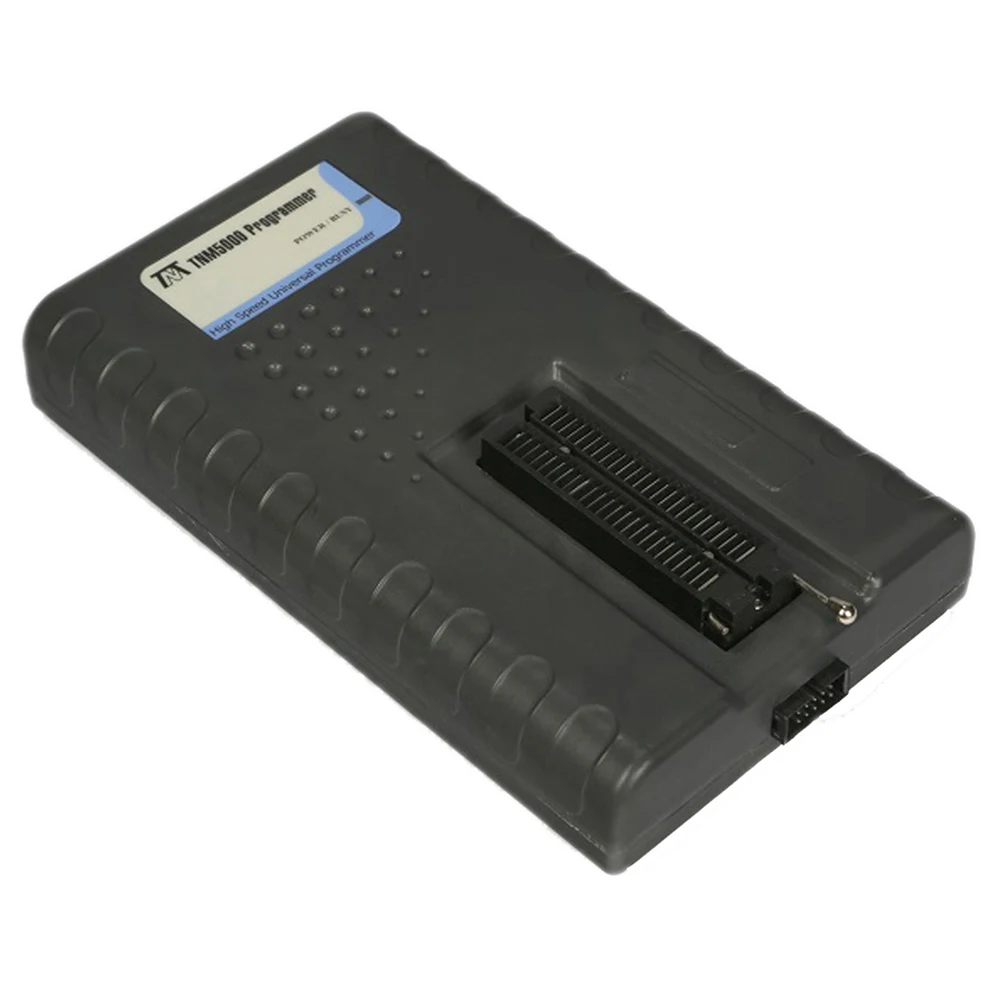
A high-performance CMOS (electrically-erasable) complex programmable logic device (CPLD) that uses Atmel's proven electrically-erasable technology. Low-cost Easy-to-use Software Tools. • High-speed. The ATF16V8B is a high-performance CMOS (electrically. See CMOS PLD Programming Hardware.
The TMS2000 had up to 17 inputs and 18 outputs with 8 for memory. TI coined the term (PLA) for this device. In 1971, Company (GE) was developing a programmable logic device based on the new (PROM) technology.
This experimental device improved on IBM's ROAM by allowing multilevel logic. Intel had just introduced the floating-gate erasable PROM so the researcher at GE incorporated that technology. Ukrainskij voyazh 2013 sbornik torrent.
CRUCC 2.4 is the software, which helps to easily calculate vehicle audio anti-theft code by using car radio serial numbers, diode / link coding and master codes, covering many different models and manufacturers of car audio units. CRUCC 2.4 is developed long time ago and sold over many years. • • CRUCC 2.4 – Car Radio Universal Code Calculator © 2.4 is the best and most complete car radio code serial calcualtion software ever available for sale on the market of car audio tools. Crucc 2.4 software gratuit.

The GE device was the first erasable PLD ever developed, predating the EPLD by over a decade. GE obtained several early patents on programmable logic devices. In 1973 introduced a mask-programmable PLA device (DM7575) with 14 inputs and 8 outputs with no memory registers. This was more popular than the TI part but cost of making the metal mask limited its use.
The device is significant because it was the basis for the field programmable logic array produced by in 1975, the 82S100. ( actually beat Signetics to market but poor yield doomed their part.) In 1974 GE entered into an agreement with (MMI) to develop a mask–programmable logic device incorporating the GE innovations.
The device was named the 'Programmable Associative Logic Array' or PALA. The MMI 5760 was completed in 1976 and could implement multilevel or sequential circuits of over 100 gates. The device was supported by a GE design environment where Boolean equations would be converted to mask patterns for configuring the device. The part was never brought to market. Main article: In 1970, developed a mask-programmable IC based on the read-only associative memory or ROAM.
This device, the TMS2000, was programmed by altering the metal layer during the production of the IC. The TMS2000 had up to 17 inputs and 18 outputs with 8 JK flip flop for memory. TI coined the term for this device. A programmable logic array (PLA) has a programmable AND gate array, which links to a programmable OR gate array, which can then be conditionally complemented to produce an output. Main article: PAL devices have arrays of transistor cells arranged in a 'fixed-OR, programmable-AND' plane used to implement 'sum-of-products' binary logic equations for each of the outputs in terms of the inputs and either synchronous or asynchronous feedback from the outputs.